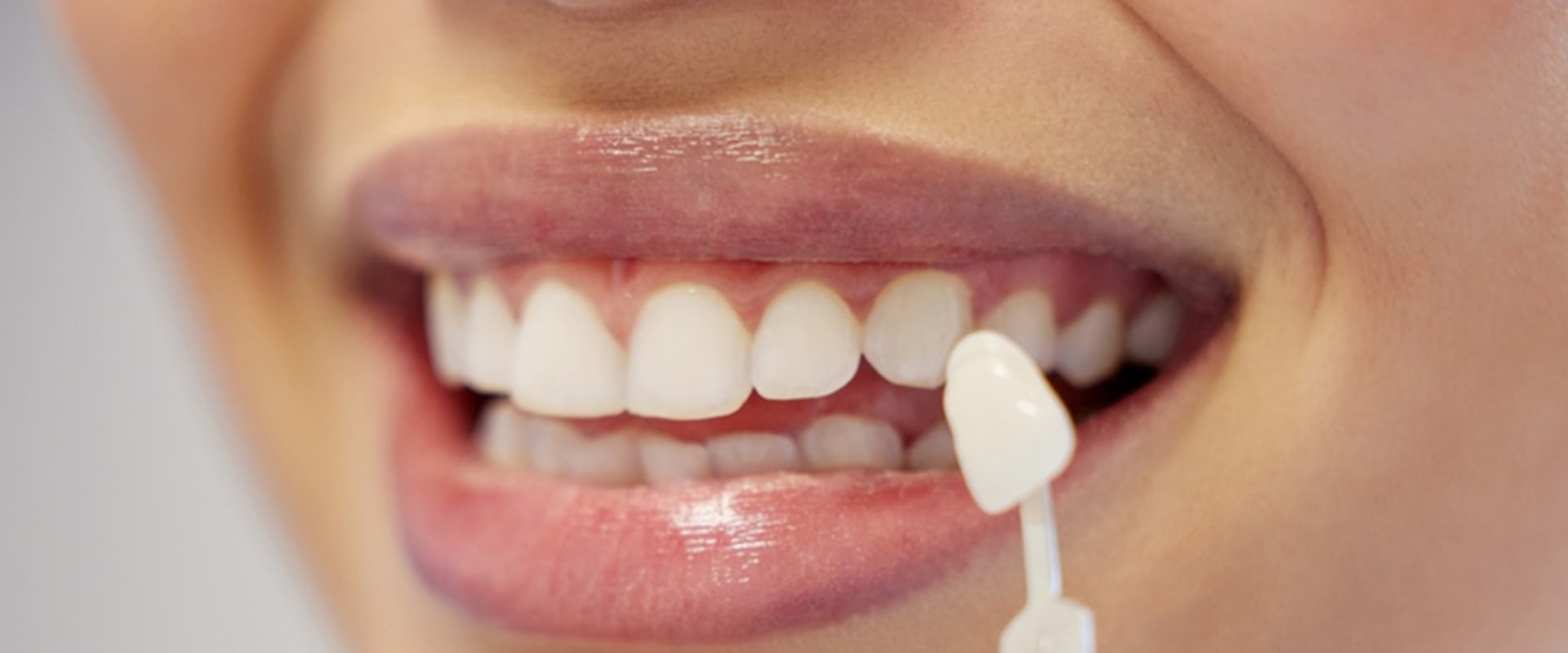
Veneers are a transformative solution in the realm of cosmetic dentistry, designed to enhance the aesthetic appeal of your smile. These thin, custom-made shells, typically crafted from porcelain or composite resin, are meticulously bonded to the front surface of your teeth. They serve a dual purpose: correcting imperfections such as discoloration, chips, and gaps while also providing a natural-looking enhancement that can significantly boost your confidence. The versatility of veneers makes them an appealing option for individuals seeking to achieve a flawless smile without undergoing extensive dental procedures.The importance of veneers extends beyond mere aesthetics; they play a crucial role in protecting your underlying teeth. Veneers are a transformative solution in the realm of cosmetic dentistry, designed to enhance the aesthetic appeal of your smile. These thin, custom-made shells, typically crafted from porcelain or composite resin, are meticulously bonded to the front surface of your teeth. They serve a dual purpose: correcting imperfections such as discoloration, chips, and gaps while also providing a natural-looking enhancement that can significantly boost your confidence. The versatility of veneers makes them an appealing option for individuals seeking to achieve a flawless smile without undergoing extensive dental procedures.The importance of veneers extends beyond mere aesthetics; they play a crucial role in protecting your underlying teeth.
By covering imperfections, veneers can shield your natural teeth from further damage and decay. This protective layer not only enhances your smile but also contributes to your overall oral health. As you consider the benefits of veneers, it’s essential to understand that their longevity and effectiveness depend heavily on proper maintenance and care.When contemplating veneers, one significant aspect to consider is the financial investment involved. Many individuals may wonder how dental insurance fits into this equation. By covering imperfections, veneers can shield your natural teeth from further damage and decay. This protective layer not only enhances your smile but also contributes to your overall oral health. As you consider the benefits of veneers, it’s essential to understand that their longevity and effectiveness depend heavily on proper maintenance and care.When contemplating veneers, one significant aspect to consider is the financial investment involved. Many individuals may wonder how dental insurance fits into this equation.
While some insurance plans may cover a portion of the costs associated with veneers, it’s important to note that coverage can vary widely based on individual policies and providers. Understanding your dental insurance options can help you make informed decisions about pursuing veneer treatment and ensure that you maximize your benefits.In summary, veneers are not just a cosmetic enhancement; they are an investment in both your appearance and oral health. As we delve deeper into the maintenance required for these dental wonders and explore the nuances of dental insurance coverage for veneers, you will gain valuable insights that will empower you to make the best choices for your smile.
What Are Veneers?
Veneers are a popular cosmetic dental solution designed to enhance the appearance of your teeth. These thin shells, typically made from either porcelain or composite resin, are custom-crafted to fit over the front surface of your natural teeth.They serve multiple purposes, including correcting imperfections such as discoloration, chips, gaps, and misalignment, ultimately providing a more aesthetically pleasing smile.Understanding the different types of veneers is crucial for making an informed decision about your dental care. The two primary types of veneers are porcelain veneers and composite veneers .
Porcelain Veneers
Porcelain veneers are renowned for their durability and natural appearance. Made from high-quality ceramic materials, these veneers closely mimic the translucency and color of natural teeth. One of the significant advantages of porcelain veneers is their resistance to staining, making them an excellent choice for individuals who enjoy beverages like coffee or red wine that can discolor teeth.The application process for porcelain veneers typically involves several steps:- Consultation: Your dentist will evaluate your teeth and discuss your aesthetic goals.
- Preparation: A small amount of enamel is removed from the front surface of your teeth to ensure a proper fit.
- Molding: Impressions are taken to create custom veneers that match the shape and color of your natural teeth.
- Bonding: Once ready, the veneers are bonded to your teeth using a strong dental adhesive.
Composite Veneers
Composite veneers, on the other hand, are made from a tooth-colored resin material.They are often less expensive than porcelain veneers and can be applied in a single visit, making them a convenient option for many patients. While they may not be as durable as porcelain options, composite veneers can still provide significant aesthetic improvements.The application process for composite veneers is generally quicker:
- Consultation: Similar to porcelain veneers, your dentist will assess your needs.
- Direct Application: The composite resin is applied directly to the tooth and sculpted into the desired shape.
- Curing: A special light is used to harden the resin, ensuring it bonds securely to the tooth.
The Role of Dental Insurance in Veneer Maintenance
When considering veneers, understanding the role of dental insurance can significantly influence both the initial costs and ongoing maintenance expenses.While veneers are primarily a cosmetic enhancement, some insurance policies may offer partial coverage under specific circumstances. Here’s what you need to know about how dental insurance works for veneers.
Dental Insurance Coverage for Veneers
Most dental insurance plans categorize veneers as a cosmetic procedure, which means they often do not cover the costs associated with them. However, if veneers are deemed necessary for dental health—such as correcting severe tooth damage or decay—there may be a chance for coverage. It’s essential to review your policy details carefully and consult with your insurance provider to understand what is included.How Dental Insurance Works for Veneers
To navigate the complexities of dental insurance regarding veneers, consider the following:- Pre-authorization: Before proceeding with veneer placement, obtain pre-authorization from your insurance company.
This process can clarify what portion of the costs will be covered.
- Documentation: Keep thorough records of all dental visits, treatments, and communications with your insurance provider. This documentation can be crucial if you need to appeal a denial of coverage.
- Network Providers: Check if your dentist is within your insurance network. Using an in-network provider can often reduce out-of-pocket expenses.
Costs of Veneers with Insurance
The cost of veneers can vary widely based on factors such as material choice and the number of teeth being treated. If your insurance does provide some level of coverage, it may only apply to specific situations where veneers are necessary for health reasons rather than purely cosmetic ones.Here are some tips to maximize your benefits:
- Review Your Plan: Familiarize yourself with your plan’s specifics regarding cosmetic procedures. Some plans may offer discounts or benefits that can help offset costs.
- Flexible Spending Accounts (FSAs): If available, consider using an FSA to pay for out-of-pocket expenses related to veneers. This allows you to use pre-tax dollars for these costs.
- Payment Plans: Discuss payment options with your dentist. Many practices offer financing plans that can make veneer treatment more affordable.
Always consult with both your dentist and insurance provider to ensure you are making informed decisions regarding your veneer treatment and maintenance.
Regular Dental Check-Ups: Why They Matter
Regular dental check-ups are a cornerstone of maintaining the health and longevity of your veneers. While veneers are designed to be durable, they are not impervious to wear and tear. Scheduling consistent visits to your dentist ensures that any potential issues are identified and addressed before they escalate into more significant problems.Importance of Dental Check-Ups for Veneers
During your dental check-ups, your dentist will conduct a thorough examination of your veneers as well as your overall oral health. This includes:
- Assessment of Veneer Integrity: Your dentist will check for any signs of chipping, cracking, or discoloration.
Early detection of these issues can save you from costly repairs or replacements.
- Gum Health Evaluation: Healthy gums are essential for the longevity of your veneers. Your dentist will assess the health of your gums and ensure that there is no gum disease that could compromise the support for your veneers.
- Professional Cleaning: Even with diligent home care, plaque and tartar can build up over time. Professional cleaning removes these deposits, helping to maintain the appearance of your veneers and prevent decay in the underlying teeth.
How Often to Visit the Dentist with Veneers
For individuals with veneers, it is generally recommended to visit the dentist every six months. However, if you have specific concerns or conditions such as teeth grinding (bruxism) or gum disease, your dentist may suggest more frequent visits.
Regular check-ups not only help in maintaining the aesthetics of your veneers but also contribute to your overall oral health.
What to Expect During Your Check-Up
During a typical dental visit, you can expect:
- A comprehensive examination where the dentist will look for any signs of wear on your veneers.
- X-rays may be taken to assess the health of the underlying teeth and bone structure.
- A professional cleaning session that includes scaling and polishing to remove plaque and stains.
- Advice on how to care for your veneers effectively based on their current condition.
Dietary Considerations: Foods to Avoid with Veneers
Maintaining the appearance and integrity of your veneers goes beyond regular brushing and flossing; it also involves being mindful of your diet. Certain foods and drinks can pose a risk to your veneers, either by causing stains or by damaging the material itself.Here’s a detailed look at what to avoid and some dietary tips to help you keep your smile bright.
Foods That Can Damage Veneers
- Hard Foods: Foods that are excessively hard, such as ice, hard candies, or nuts, can lead to chips or cracks in your veneers. It’s best to avoid biting down on these items directly.
- Sticky Foods: Chewy candies like caramel or taffy can stick to your veneers and pull at them, potentially dislodging them or causing damage. If you indulge in these treats, be sure to rinse your mouth thoroughly afterward.
- Acidic Foods: Citrus fruits and vinegar-based dressings can erode the bonding material used for veneers over time. While these foods are healthy in moderation, it’s wise to consume them with caution.
Drinks That Stain Veneers
- Coffee and Tea: Both beverages are notorious for their staining properties due to their high tannin content.
If you enjoy these drinks, consider using a straw to minimize contact with your veneers.
- Red Wine: The deep pigments in red wine can easily stain veneers. If you choose to drink it, rinse your mouth with water afterward to help reduce staining.
- Soda: Dark sodas not only contain sugars that can lead to decay but also have coloring agents that may stain your veneers. Opt for clear sodas or sparkling water instead.
Dietary Tips for Veneer Maintenance
To ensure the longevity of your veneers, consider incorporating the following dietary habits:- Rinse After Eating: Always rinse your mouth with water after consuming staining foods or drinks. This simple step can help wash away pigments before they adhere to your veneers.
- Choose Non-Staining Alternatives: Opt for lighter-colored beverages like white wine or herbal teas.
These options are less likely to cause discoloration.
- Maintain a Balanced Diet: A diet rich in fruits and vegetables not only promotes overall health but also helps keep your teeth and gums healthy, which is essential for supporting your veneers.
Protecting Your Veneers During Physical Activities
Engaging in physical activities and sports is a fantastic way to stay fit and healthy, but it also comes with certain risks, especially for those with dental veneers. Protecting your veneers during these activities is crucial to ensure their longevity and maintain your beautiful smile. Here are some essential tips and considerations for safeguarding your veneers while enjoying sports and other physical pursuits.The Importance of Mouthguards
One of the most effective ways to protect your veneers during sports is by using a mouthguard.A mouthguard acts as a cushion, absorbing impact and reducing the risk of damage to your teeth and veneers. Here are some key points to consider:
- Custom-Fitted Mouthguards: While over-the-counter options are available, a custom-fitted mouthguard made by your dentist offers the best protection. It fits snugly over your teeth, providing superior comfort and security.
- Types of Sports: If you participate in contact sports such as football, hockey, or martial arts, wearing a mouthguard is essential. Even in non-contact sports like basketball or soccer, a mouthguard can help protect against accidental falls or collisions.
- Regular Replacement: Mouthguards can wear down over time, so it’s important to replace them regularly to ensure optimal protection.
Additional Protective Measures
In addition to using a mouthguard, there are other strategies you can implement to protect your veneers during physical activities:- Avoid Hard Foods Before Activities: Refrain from consuming hard foods that could increase the risk of chipping or cracking your veneers before engaging in sports.
- Stay Hydrated: Keeping hydrated helps maintain saliva production, which naturally protects your teeth and veneers from bacteria and decay.
- Communicate with Your Dentist: If you are involved in high-impact sports or have concerns about your veneers, discuss these with your dentist.
They can provide tailored advice and may recommend additional protective measures.
Common Issues with Veneers: What to Watch For
While veneers are designed to enhance your smile and withstand daily wear, they are not immune to issues that can arise over time. Understanding the common problems associated with veneers is crucial for maintaining their appearance and functionality. Here are some of the most frequent issues you may encounter:- Chips and Cracks: One of the most common problems with veneers is chipping or cracking.
This can occur due to biting down on hard foods, using your teeth as tools, or even from accidental trauma. If you notice any small chips or cracks, it’s essential to address them promptly to prevent further damage.
- Discoloration: Although veneers are resistant to staining, they can still become discolored over time, especially if exposed to dark-colored foods and beverages like coffee, tea, or red wine. Regular cleaning and avoiding certain foods can help mitigate this issue.
- Gum Recession: As you age, your gums may recede, exposing more of the natural tooth beneath the veneer. This can create an uneven appearance and may require dental intervention to correct.
- Loose Veneers: In some cases, veneers may become loose due to adhesive failure or changes in the underlying tooth structure.
If you feel that a veneer is loose or shifting, it’s important to see your dentist as soon as possible.
- Visible Chips or Cracks: Inspect your veneers regularly for any visible damage. If you notice chips or cracks, schedule an appointment with your dentist.
- Changes in Color: If you observe any discoloration that seems unusual or persistent, it may be time for a professional cleaning or assessment.
- Sensitivity: Increased sensitivity to hot or cold temperatures can indicate that a veneer is compromised. This could be a sign of underlying issues that need attention.
Early intervention can often prevent more significant problems and ensure that your veneers continue to look their best. Regular dental check-ups are also vital for monitoring the condition of your veneers and addressing any concerns before they escalate.
Cleaning Your Veneers: Best Practices
Maintaining the cleanliness and shine of your veneers is essential for their longevity and aesthetic appeal. Proper cleaning not only enhances their appearance but also helps prevent potential issues such as discoloration or damage. Here are some best practices for cleaning your veneers effectively.Daily Cleaning Routine
Establishing a daily cleaning routine is crucial for keeping your veneers in top condition.Follow these steps:
- Brush Twice Daily: Use a soft-bristled toothbrush to gently brush your veneers at least twice a day. This helps remove plaque and food particles that can accumulate on the surface.
- Choose the Right Toothpaste: Opt for a non-abrasive toothpaste specifically designed for sensitive teeth or veneers. Avoid whitening toothpastes, as they may contain harsh ingredients that can scratch or dull the surface of your veneers.
- Floss Daily: Flossing is essential to remove debris between your teeth and veneers. Use waxed dental floss to prevent snagging on the edges of your veneers.
Cleaning Products Safe for Veneers
When it comes to cleaning products, it’s important to choose those that are safe for use on veneers:- Antibacterial Mouthwash: Incorporate an alcohol-free antibacterial mouthwash into your routine.
This helps kill bacteria and freshen your breath without harming your veneers.
- Veneer-Safe Cleaning Solutions: If you prefer using a cleaning solution, look for products specifically labeled as safe for dental work or porcelain surfaces. Always read the label to ensure compatibility with veneers.
- Avoid Harsh Chemicals: Steer clear of bleach, vinegar, or any abrasive cleaners, as these can damage the surface of your veneers over time.
Maintaining Veneer Shine
To keep your veneers looking shiny and new, consider these additional tips:- Avoid Staining Foods and Drinks: Limit consumption of dark-colored beverages like coffee, tea, and red wine, which can stain your veneers. If you indulge, rinse your mouth with water afterward.
- Regular Dental Check-Ups: Schedule regular visits with your dentist for professional cleanings and check-ups. Your dentist can provide specialized care to maintain the shine and integrity of your veneers.
- Use a Soft Cloth: Occasionally, you can use a soft microfiber cloth to gently polish your veneers after brushing.
This can help enhance their shine without causing damage.
Conclusion: Ensuring Longevity and Beauty of Your Veneers
In conclusion, maintaining the beauty and longevity of your veneers is a multifaceted endeavor that requires diligence and care. Throughout this guide, we have explored various aspects of veneer maintenance, emphasizing the importance of proper oral hygiene, regular dental visits, and mindful dietary choices. Each of these elements plays a crucial role in ensuring that your veneers not only look stunning but also function effectively over time.One of the most significant takeaways is the necessity of consistent oral hygiene.Brushing twice daily with a soft-bristled toothbrush and non-abrasive toothpaste, along with daily flossing, helps to prevent plaque buildup and staining. This routine not only preserves the aesthetic appeal of your veneers but also contributes to your overall dental health.Regular check-ups with your dentist are equally vital. These appointments allow for professional cleaning and early detection of any potential issues that could compromise the integrity of your veneers. Your dentist can provide tailored advice on how to care for your specific type of veneers, ensuring that you are equipped with the knowledge needed to maintain them effectively.Moreover, being cautious about what you eat and drink cannot be overstated.
Avoiding hard, sticky foods and limiting dark beverages can significantly reduce the risk of damage and staining. If you do indulge in such items, rinsing your mouth with water afterward can help mitigate their effects.Additionally, understanding the role of dental insurance in veneer maintenance is crucial. Many dental insurance plans offer coverage for cosmetic procedures, including veneers, which can alleviate some financial burdens associated with their upkeep. It’s advisable to review your policy carefully to understand what is covered and how it can assist you in maintaining your smile.Ultimately, by adhering to these maintenance strategies and leveraging available resources like dental insurance, you can enjoy a radiant smile that lasts for years.
Your veneers are an investment in your confidence and self-esteem; treating them with care will ensure they continue to enhance your appearance for a long time to come.