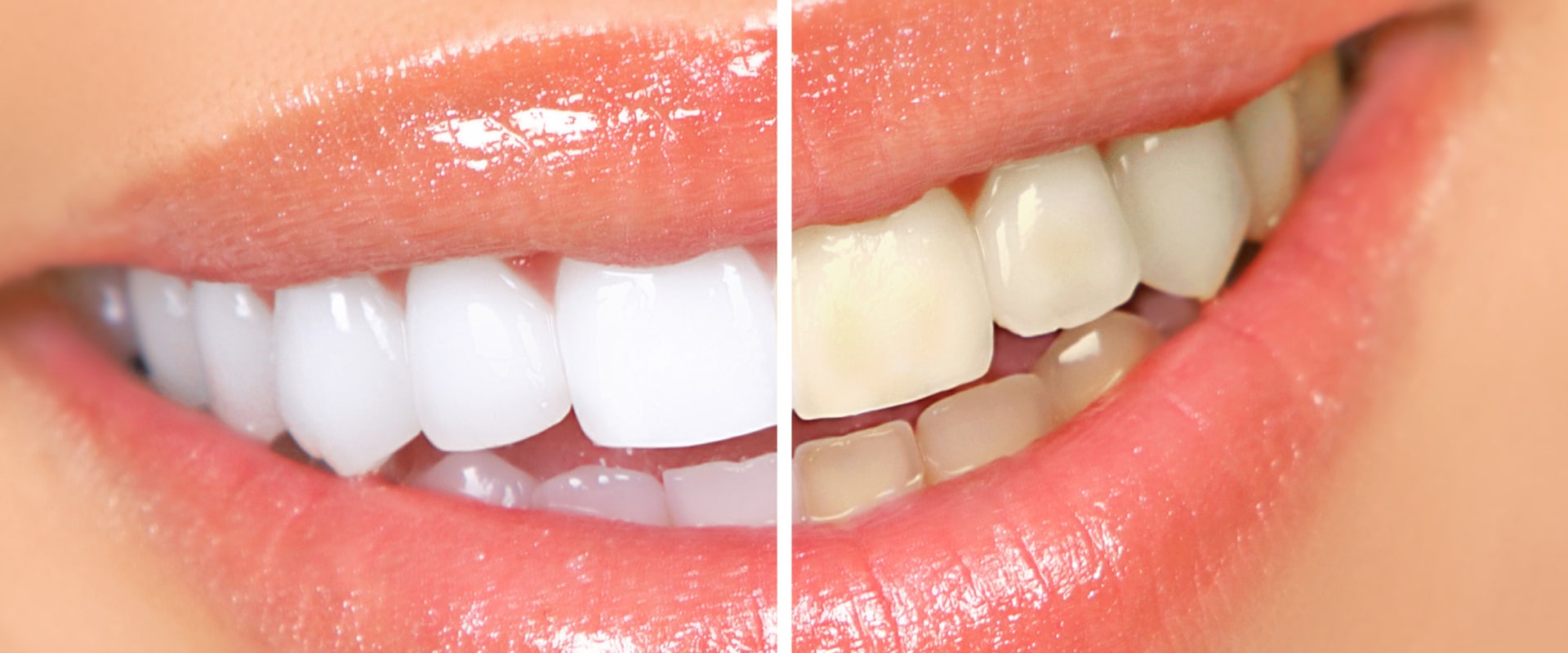
Teeth whitening has become an increasingly popular cosmetic dental procedure, sought after by individuals looking to enhance their smiles and boost their confidence. With a variety of methods available, from in-office treatments to at-home kits, understanding how teeth whitening works is essential for anyone considering this transformative process. The primary goal of teeth whitening is to remove stains and discoloration, resulting in a brighter, more radiant smile. There are several methods of teeth whitening, each with its own set of benefits and considerations. Teeth whitening has become an increasingly popular cosmetic dental procedure, sought after by individuals looking to enhance their smiles and boost their confidence. With a variety of methods available, from in-office treatments to at-home kits, understanding how teeth whitening works is essential for anyone considering this transformative process. The primary goal of teeth whitening is to remove stains and discoloration, resulting in a brighter, more radiant smile. There are several methods of teeth whitening, each with its own set of benefits and considerations. In-office whitening procedures, typically performed by dental professionals, utilize stronger bleaching agents that can yield immediate results.
These treatments often involve the application of a protective gel on the gums followed by the use of a high-concentration hydrogen peroxide solution. On the other hand, at-home whitening kits , which include strips, gels, or trays, offer convenience and flexibility but may take longer to achieve desired results. Regardless of the method chosen, the underlying principle involves the penetration of bleaching agents into the enamel to break down stains and discoloration. The benefits of teeth whitening extend beyond aesthetics. A brighter smile can significantly enhance self-esteem and improve social interactions.
Many individuals report feeling more confident in both personal and professional settings after undergoing whitening treatments. Additionally, maintaining a bright smile can encourage better oral hygiene practices, as individuals become more mindful of their dental care routines to preserve their results. As you embark on your teeth whitening journey, it’s crucial to recognize that proper post-whitening care is just as important as the treatment itself. Understanding how to maintain your newly brightened smile will ensure that your investment lasts longer and continues to bring you joy and confidence.
The Importance of Post-Whitening Care
After undergoing a teeth whitening treatment, the journey to a radiant smile doesn't end; in fact, it marks the beginning of a new chapter in your oral care routine. Caring for your teeth post-whitening is essential not only for preserving the brightness of your smile but also for ensuring your overall dental health.Here’s why this care is so crucial.First and foremost, the whitening process can temporarily increase the porosity of your enamel, making your teeth more susceptible to staining from foods and beverages. This means that without proper care, you could quickly undo the effects of your whitening treatment. For instance, consuming dark-colored drinks like coffee or red wine shortly after whitening can lead to noticeable discoloration. Therefore, being mindful of what you eat and drink is vital.Moreover, maintaining a consistent oral hygiene routine is paramount.
Brushing at least twice a day and flossing daily helps remove plaque and food particles that can contribute to staining. Using a toothpaste designed for whitening can further enhance your efforts by keeping surface stains at bay.Another important aspect of post-whitening care is regular dental check-ups. These visits allow your dentist to monitor the health of your teeth and gums while also providing professional cleanings that can help maintain your bright smile. During these appointments, any potential issues can be addressed before they become significant problems.In addition to aesthetic benefits, proper post-whitening care contributes to long-term dental health.
By adhering to a diligent oral care routine, you reduce the risk of cavities and gum disease, which can compromise not only the appearance of your smile but also your overall well-being.In summary, investing in teeth whitening is just the first step; caring for your teeth afterwards is what truly ensures that investment pays off. By avoiding stain-causing foods, practicing good oral hygiene, and scheduling regular dental visits, you can maintain the brilliance of your smile for years to come.
Daily Habits to Maintain Your Bright Smile
Maintaining a bright smile after teeth whitening requires consistent daily habits that focus on oral hygiene. By adopting effective brushing and flossing techniques, you can significantly enhance the longevity of your whitening results while promoting overall dental health.Brushing Techniques for Optimal Results
Brushing your teeth is the cornerstone of any oral hygiene routine. To maximize the effectiveness of your brushing, consider the following tips:- Choose the Right Toothbrush: Opt for a soft-bristled toothbrush to avoid damaging your enamel and gums.
Electric toothbrushes can also be beneficial as they often provide more consistent pressure and coverage.
- Use Fluoride Toothpaste: Select a toothpaste that contains fluoride and is specifically designed for whitening. This will help remove surface stains while strengthening your enamel.
- Brush for Two Minutes: Ensure you brush for a full two minutes, spending at least 30 seconds on each quadrant of your mouth. This thorough approach helps remove plaque and food particles effectively.
- Employ Proper Technique: Hold your toothbrush at a 45-degree angle to your gums and use gentle circular motions. Avoid aggressive scrubbing, which can lead to gum recession and enamel wear.
The Importance of Flossing
Flossing is often overlooked but is crucial for maintaining a bright smile.Here’s why it matters:
- Removes Plaque and Food Debris: Flossing helps eliminate plaque and food particles that brushing alone may miss, particularly between teeth where stains can accumulate.
- Prevents Gum Disease: Regular flossing reduces the risk of gum disease, which can lead to tooth loss and discoloration over time.
- Enhances Overall Oral Health: By incorporating flossing into your daily routine, you contribute to better overall oral health, which supports the longevity of your whitening results.
Foods and Drinks to Avoid After Whitening
After undergoing a teeth whitening treatment, it’s essential to be mindful of your diet to maintain the brightness of your smile.Certain foods and drinks can lead to staining, which can quickly undo the effects of your whitening efforts. Below, we will explore specific items to avoid and suggest some alternatives that can help keep your teeth looking their best.
Foods That Stain Teeth
- Berries: While nutritious, dark berries like blueberries, blackberries, and raspberries can leave behind pigments that stain teeth. If you enjoy these fruits, consider rinsing your mouth with water immediately after consumption.
- Tomato-Based Products: Foods such as pasta sauce, ketchup, and salsa are acidic and can contribute to discoloration. Opt for lighter sauces or use fresh herbs for flavor instead.
- Curry: This flavorful spice can leave a yellowish tint on your teeth.
If you love curry dishes, make sure to brush your teeth afterward or choose milder alternatives.
- Beets: Known for their vibrant color, beets can stain teeth if consumed frequently. Consider using beet juice in moderation or substituting with other vegetables like carrots.
Drinks That Cause Discoloration
- Coffee and Tea: Both beverages contain tannins that can lead to staining over time. If you can't give them up entirely, try using a straw to minimize contact with your teeth.
- Red Wine: The deep pigments in red wine are notorious for causing stains. If you indulge in wine, consider switching to white wine or sparkling water occasionally.
- Sodas and Dark-Colored Beverages: Colas and dark sodas are not only acidic but also contain coloring agents that can stain teeth.
Opt for clear sodas or flavored water instead.
- Citrus Juices: While healthy, juices like orange and grapefruit are acidic and can erode enamel over time, making teeth more susceptible to staining. Drink them through a straw and rinse afterward.
Specialized Products for Post-Whitening Care
After undergoing a teeth whitening treatment, maintaining that bright smile requires more than just good habits; it also involves using specialized dental products designed to enhance and prolong the effects of whitening.Here are some essential products to consider:
Whitening Toothpaste
One of the most effective ways to maintain your newly whitened teeth is by incorporating a whitening toothpaste into your daily oral care routine. These toothpastes are formulated with gentle abrasives and special ingredients that help remove surface stains while preventing new ones from forming. Look for products that contain:- Hydrogen peroxide : This ingredient is known for its stain-removing properties and can help keep your teeth looking bright.
- Silica : A mild abrasive that helps scrub away surface stains without damaging enamel.
- Fluoride : Essential for strengthening enamel and protecting against cavities.
Mouthwash for Whitening
In addition to toothpaste, using a whitening mouthwash can further enhance your oral hygiene routine. These mouthwashes not only freshen breath but also contain ingredients that help reduce stains and promote a brighter smile.When choosing a mouthwash, consider the following:
- Stain-fighting agents : Look for mouthwashes that include ingredients like hydrogen peroxide or baking soda, which can help lift stains.
- Alcohol-free options : Alcohol can dry out your mouth, leading to bad breath and other issues. Opt for alcohol-free formulas to maintain moisture.
Other Dental Products for Maintenance
Beyond toothpaste and mouthwash, there are several other dental products that can aid in maintaining your whitening results:- Whitening Strips : These are thin, flexible strips coated with a whitening gel that you apply directly to your teeth. They can be an effective way to touch up your smile between professional treatments.
- Whitening Pens : Convenient and easy to use, these pens allow you to apply a whitening gel directly onto your teeth whenever you need a quick boost.
- Dental Chewing Gum : Sugar-free gum with whitening properties can help remove surface stains while promoting saliva production, which naturally cleanses the mouth.
The Role of Regular Dental Check-Ups
Regular dental check-ups play a vital role in maintaining not only your overall oral health but also the brightness of your smile after whitening treatments.These visits are essential for monitoring the condition of your teeth and gums, ensuring that any potential issues are addressed before they escalate.
Importance of Dental Check-Ups
One of the primary reasons to schedule regular dental check-ups is to prevent dental problems that can affect the appearance of your teeth. During these appointments, your dentist will conduct a thorough examination, looking for signs of tooth decay, gum disease, and other oral health issues. Early detection is key; addressing problems promptly can save you from more extensive and costly treatments down the line.Moreover, dental check-ups often include professional cleanings that remove plaque and tartar buildup, which can lead to discoloration if left untreated. This cleaning process not only helps maintain the whiteness achieved through whitening treatments but also promotes healthier gums and teeth.
Frequency of Dental Visits
The American Dental Association recommends visiting your dentist at least twice a year for routine check-ups and cleanings.
However, individuals with specific dental concerns or those who have undergone recent whitening treatments may benefit from more frequent visits. Your dentist can provide personalized recommendations based on your unique oral health needs.
What to Expect at a Check-Up
- Comprehensive Examination: Your dentist will examine your teeth and gums for any signs of decay or disease. They may also take X-rays to get a clearer picture of your oral health.
- Professional Cleaning: A dental hygienist will perform a thorough cleaning, removing plaque and tartar from your teeth. This step is crucial for maintaining the results of your whitening treatment.
- Discussion of Oral Hygiene Practices: Your dentist will discuss your current oral hygiene routine and offer tips on how to improve it, ensuring you maintain that bright smile.
- Customized Treatment Plans: If any issues are detected, your dentist will create a tailored treatment plan to address them effectively.
By committing to these visits, you not only enhance the longevity of your whitening results but also invest in your overall well-being.
Understanding Dental Insurance and Its Benefits for Whitening Care
When it comes to maintaining your bright smile after a whitening treatment, understanding dental insurance can play a significant role in managing costs and ensuring you receive the necessary care. Many people are unaware that not all dental plans cover cosmetic procedures like teeth whitening, so it’s essential to explore your options thoroughly. can play a significant role in managing costs and ensuring you receive the necessary care. Many people are unaware that not all dental plans cover cosmetic procedures like teeth whitening, so it’s essential to explore your options thoroughly.Types of Dental Plans
- Preventive Plans: These plans typically cover routine check-ups, cleanings, and X-rays. While they may not directly cover whitening treatments, they are crucial for maintaining oral health and preventing issues that could lead to discoloration.
- Basic Plans: Basic dental insurance often includes coverage for fillings and extractions. Some plans may offer partial coverage for certain cosmetic procedures, but this varies widely by provider.
- Comprehensive Plans: These plans usually provide a broader range of services, including major dental work and some cosmetic treatments.
If you’re considering teeth whitening, look for a plan that explicitly mentions coverage for such procedures.
Insurance for Whitening Treatments
While most dental insurance policies do not cover teeth whitening as it is considered a cosmetic procedure, some plans may offer discounts or partial reimbursements if the treatment is deemed medically necessary. For instance, if your dentist recommends whitening due to specific dental issues or conditions, you might be able to file a claim.It’s also worth noting that many dental offices offer financing options or payment plans for cosmetic treatments. This can make it easier to manage the costs associated with whitening while still benefiting from the care provided by your dentist.
Choosing the Right Plan
When selecting a dental insurance plan, consider your specific needs and how often you plan to undergo whitening treatments. Review the details of each plan carefully:
- Check what services are covered under preventive care.
- Look for any exclusions related to cosmetic procedures.
- Evaluate the costs associated with each plan against your expected dental care needs.
Always consult with your dentist about the best options available to you based on your individual circumstances.
FAQs About Caring for Teeth After Whitening
After undergoing a teeth whitening treatment, many individuals have questions about how to best care for their newly brightened smiles. Here are some frequently asked questions that can help clarify common concerns and provide additional tips for maintaining that dazzling whiteness.What should I avoid immediately after whitening?
It is advisable to steer clear of certain foods and beverages for at least 24 to 48 hours post-treatment. This includes:- Coffee and tea: These can stain your teeth due to their dark pigments.
- Red wine: Known for its deep color, red wine can easily lead to discoloration.
- Dark fruits: Berries, such as blueberries and blackberries, can also contribute to staining.
- Citrus fruits: Their acidity can weaken enamel, making teeth more susceptible to stains.
How can I maintain my whitening results?
To prolong the effects of your whitening treatment, consider the following tips:- Brush regularly: Use a whitening toothpaste to help maintain brightness.
- Floss daily: This helps remove plaque and food particles that can lead to discoloration.
- Use a straw: When consuming beverages that may stain, using a straw can minimize contact with your teeth.
- Stay hydrated: Drinking water throughout the day helps wash away food particles and acids.
Is it safe to whiten my teeth again soon after treatment?
While it may be tempting to achieve an even brighter smile, it is generally recommended to wait at least a few months before undergoing another whitening treatment. Over-whitening can lead to tooth sensitivity and damage to the enamel.Always consult with your dentist before proceeding with additional treatments.
Can dental insurance help with whitening treatments?
Most dental insurance plans do not cover cosmetic procedures like teeth whitening. However, some plans may offer coverage for preventive care and routine check-ups, which are essential for maintaining your results. It’s wise to review your policy or speak with your insurance provider to understand what is included.Caring for your teeth after whitening is crucial for preserving that bright smile. By following these guidelines and addressing common concerns, you can enjoy the benefits of your investment in dental aesthetics for a longer time.Conclusion: Keeping Your Smile Bright Long-Term
In conclusion, maintaining a bright and healthy smile after teeth whitening is not just about the initial treatment; it requires ongoing commitment and care.The journey to a radiant smile involves several key practices that, when followed diligently, can help you enjoy the benefits of your whitening treatment for an extended period.First and foremost, avoiding stain-causing foods and beverages is crucial. Items such as coffee, tea, red wine, and dark berries can quickly diminish the brightness of your smile. If you indulge in these treats, consider rinsing your mouth with water or brushing your teeth shortly afterward to minimize their staining effects.Equally important is the practice of good oral hygiene. This includes brushing your teeth at least twice a day with a whitening toothpaste that helps maintain your results.
Flossing daily is essential as well, as it removes plaque and food particles that can lead to discoloration between teeth. Additionally, using a mouthwash designed for whitening can provide an extra layer of protection against stains.Regular dental check-ups should not be overlooked. These appointments allow your dentist to monitor your oral health and provide professional cleanings that can enhance the longevity of your whitening results. During these visits, any potential issues can be addressed before they become significant problems.Furthermore, understanding your dental insurance options can play a vital role in maintaining your oral health.
Many plans cover preventive care, including routine cleanings and check-ups, which are essential for keeping your smile bright. By selecting a plan that aligns with your needs, you can ensure that you have access to the necessary services to support your dental care routine.Ultimately, the key to a lasting bright smile lies in a combination of avoiding harmful substances, practicing excellent oral hygiene, scheduling regular dental visits, and leveraging dental insurance effectively. By committing to these practices, you can enjoy the confidence that comes with a dazzling smile for years to come.